Is Workplace Loneliness Killing Performance?

I’ve been reflecting deeply on my recent conversations—those with clients, friends, and suppliers. Mostly, these talks reveal a troubling truth: we are carrying a heavy burden. There's a mix of anger, frustration, and sadness—an emotional trifecta that many of us are trying to handle quietly.
Throughout the history of modern organizations, we’ve been told to steer clear of three topics: politics, religion, and money. Though this advice still makes sense in many situations, the silence has led to a deep sense of loneliness, or anomie, as Durkheim called it. We end up carrying our burdens alone.
The Hidden Weight of the Workforce
These burdens come in many forms. We often don't know the full story of what is happening in our coworkers’ lives. A relative might be sick, a sibling might be having a tough time, or a child could be struggling at school.
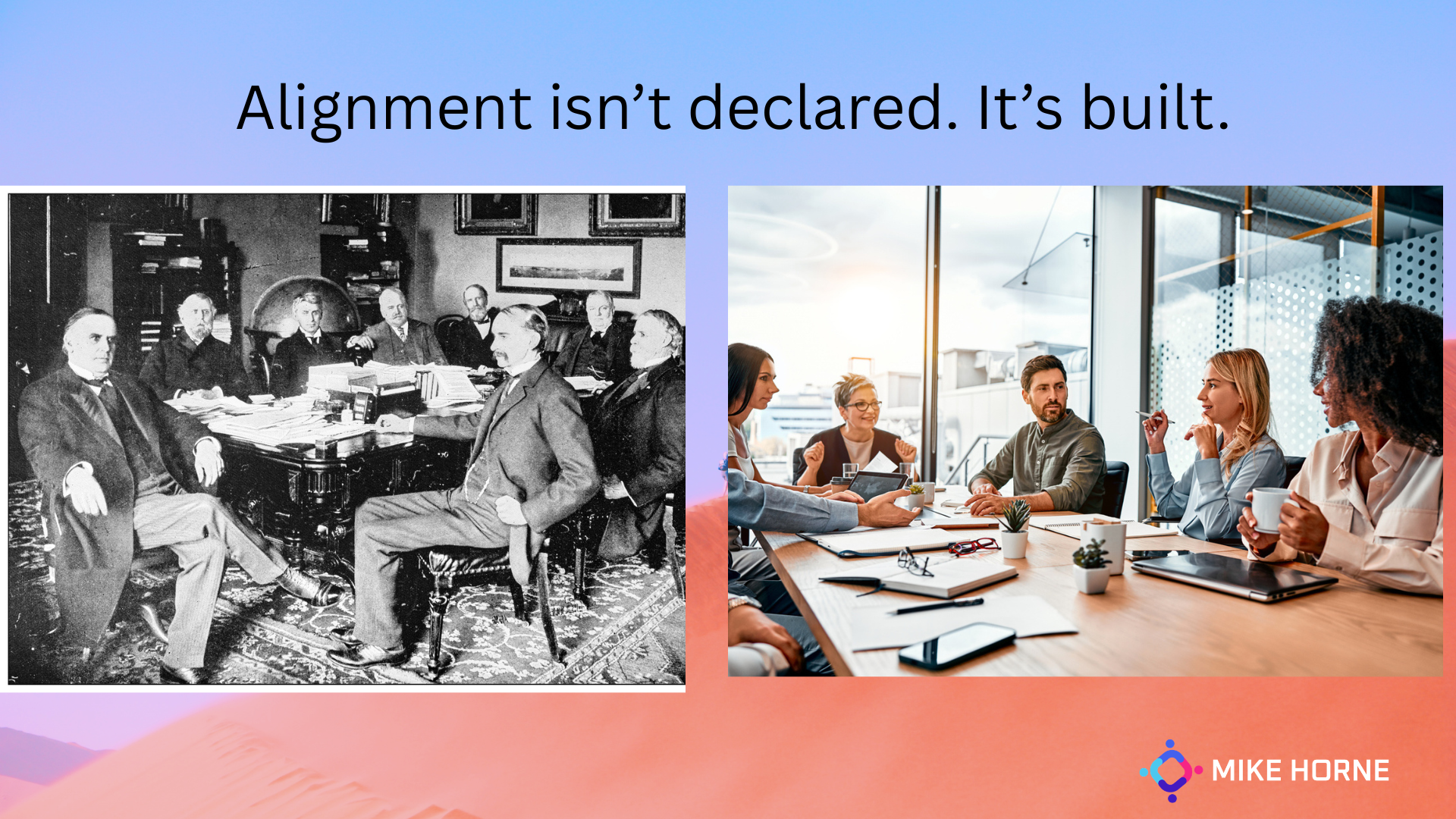
Because we are conditioned to focus only on completing tasks, we tend to overlook these human elements. We spend many hours in meetings aimed at process improvements, yet we often neglect to dedicate enough time to engaging with the people behind those processes.
Our current communication channels are great for getting tasks done, but they often lack human connection. We see each other as "elements of production," which blocks the way to top leadership performance.
The Power of "Attending" to the Human
When we shift our focus and "attend" to the person in front of us, something remarkable happens: the amount of discretionary effort the employee offers increases. It is, quite simply, a win-win situation.
So, how do we unburden this loneliness and unlock potential?
It begins with the simple, intentional act of saying "hello" at the start of an interaction. It involves choosing to be fully present. We may not know what happened to a colleague five minutes ago, but as leaders, we can choose to foster a supportive environment during the five minutes we are together.
The Four Forces Shaping Our Future
In my book, The People Dividend: Leadership Strategies for Unlocking Employee Potential, I explore how we can promote humanistic values—namely dignity, kindness, and respect—as the foundation of contemporary leadership.
There are four specific conditions currently driving demand for "People Dividend" leaders.
- The growing gig economy
- The rise and influence of AI on employment and organizations
- Variable work locations (remote/hybrid setups)
- The emergence of the four-day workweek
These forces mean that we experience "organizations" very differently today than we did at the turn of the century. Practicing humanistic management will be the key differentiator for organizations that succeed in the turbulent financial markets ahead.
Building a Culture of Belonging
With more managers who genuinely care, we can erode loneliness and bolster productivity. But this isn't as simple as flipping a switch or adopting the latest corporate trend.
It requires a relentless pursuit of purpose, vision, and mission. We must build our organizational communities by erasing loneliness with diversity, equity, inclusion, and belonging.
Ready to change your leadership approach?
I’m looking for others to join me on this journey. You can do that by subscribing to my weekly newsletter here on LinkedIn or by becoming part of our community of change agents.
Thank you for all you’re doing to improve our teams, communities, and nation. Let's face these changes with confidence and clarity.
Featured Articles

The People Dividend Podcast
Opening authenticity in organizations allows us to bring more of who we are to what we do. Discover how to create an open, trusting, and fun workplace.